Year of the Dog Happy New Year SVG: An Embroidery Review
When you work with machine embroidery designs day in and day out, you develop a quick sense for which graphics will translate well into thread and which ones will cause headaches. I recently got my hands on the Year of the Dog Happy New Year Svg file from the Crafts category and spent some time testing it across several real embroidery projects. This is not a quick mockup review. I stitched it, washed it, put it on different fabrics, and thought hard about whether this graphics file deserves a spot in your active design library. Here is my honest evaluation.
First Impressions of the Year of the Dog Design
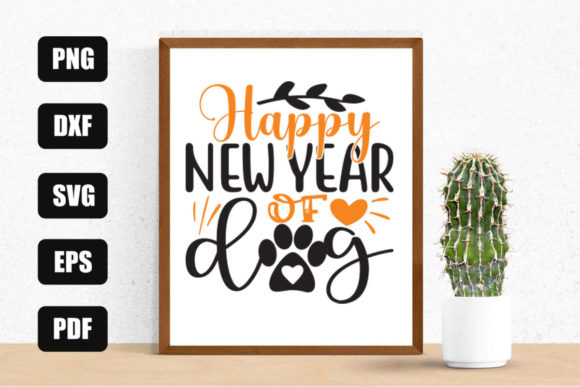
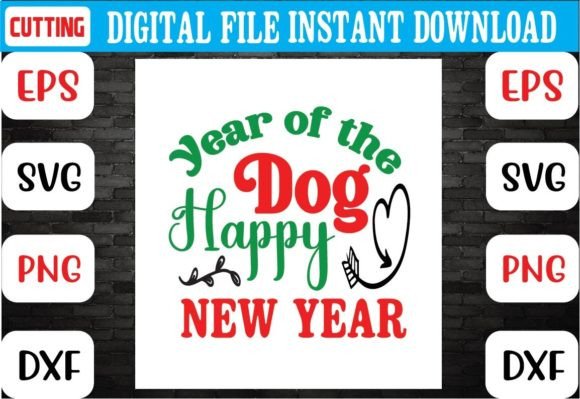
Opening the Year of the Dog Happy New Year Svg, I immediately noticed a clean, friendly composition. The dog motif sits at the center with a cheerful expression, and the lettering around it carries a festive but not overly crowded feel. The mood is warm and celebratory without being cartoonish. That matters a lot when you are stitching something that needs to appeal to both the gift giver and the recipient. The layout feels balanced, with enough negative space to let the design breathe. For an embroidery file, that initial impression of spacing often predicts how well the design will hold up during digitizing and actual stitching.
The theme naturally leans into Lunar New Year projects, but I could see it working beyond that specific holiday. The dog imagery is universal enough to fit pet lover gifts, zodiac-themed items, or even a playful nod to man's best friend. The visual personality sits somewhere between a keepsake piece and a casual everyday item. That versatility is a solid foundation for any design you plan to use across multiple product types.
How This Design Performs on Real Products
I tested the Year of the Dog Happy New Year Svg on several product blanks that represent what most Etsy sellers and small shop owners actually stitch. First up was a premium cotton tote bag. The design stitched cleanly with good registration. The dog's outline held its shape, and the lettering remained legible at a reasonable size. On a tote bag, this design feels like a natural fit. It sits well on the center panel and does not fight the fabric grain. I could easily see this becoming a popular tote bag design for holiday markets or gift bundles.
Next I moved to a cotton blend sweatshirt. Sweatshirt embroidery always requires attention to stabilizer choice and stitch density, because the fabric has more give than woven cotton. The design handled the stretch reasonably well. I used a medium-weight tear-away stabilizer and a light fusible interfacing on the back. The dog motif stitched without distortion, and the text remained crisp. For sweatshirt embroidery, this design works best when you keep the hoop size moderate and avoid placing it too close to side seams or ribbing.
I also tested it on a linen apron and a cotton kitchen towel. Both of those projects benefited from the design's moderate detail level. Linen can be tricky because the weave is loose, but the fill areas in this design did not sink into the fabric gaps. The kitchen towel came out looking like a professional finished product that would sell well at craft fairs. The design also performed adequately on a baby onesie, though I recommend reducing the scale slightly and using a cutaway stabilizer to keep the fabric from puckering. For baby embroidery, the design's friendly face and clear lettering work well, but keep the hoop size small and the stitch count manageable.
I did test it on a curved cap surface, and that is where I would advise caution. The design has a somewhat wide layout, and fitting it onto a curved cap front without distortion requires careful hooping and a well-structured stabilizer system. If you are experienced with cap embroidery, you can make it work. For beginners, I would recommend sticking to flat products until you are comfortable with the design's behavior.
Where to Use This Design with Confidence
Based on my testing, the Year of the Dog Happy New Year Svg fits best on medium-weight woven and knit fabrics. Think cotton, cotton-poly blends, linen, denim, and stable fleece. It works wonderfully on custom apparel like sweatshirts, t-shirts, and aprons. It also makes a strong showing on home decor items like pillow covers, tea towels, and small blankets. If you are producing personalized gifts for the holiday season, this design gives you a reliable option that will please most recipients.
For commercial embroidery use, this design can be deployed on boutique merchandise, small shop product lines, and even limited edition holiday runs. The design does not rely on extremely fine details, which means it holds up to repeated washing on items like kitchen towels or baby blankets. That durability is a big plus for anyone selling handmade product to customers who expect longevity.
I also tested it in a printable mockup scenario for digital product previews. The design translates well into flat mockups, which helps when you are creating listings for your Etsy seller shop or social media storefront. Customers can clearly see the dog motif and the lettering, which builds trust before they purchase.
One area where I would use this design carefully is on very dark fabrics. The design has moderate fill areas, and if your thread color does not contrast well against a black or navy background, some of the detail in the dog's face can get lost. I recommend testing with a bright thread color or a light metallic to make the design pop on dark garments. Similarly, on very thin or stretchy fabric like jersey knit, use a cutaway stabilizer and a lightweight topping to prevent the stitches from tunneling.
Design Details That Matter for Stitching
Looking at the Year of the Dog Happy New Year Svg as an embroidery project, I appreciate that the design does not overreach in complexity. The dog motif uses a mix of satin stitch and fill stitch areas. The satin stitch elements give the dog's features a clean, polished look, while the fill areas provide body without excessive stitch density. That balance is critical for avoiding fabric puckering and keeping the design soft to the touch.
The lettering in the design is clear and readable. I noticed that the text stroke width is consistent, which helps it survive scaling better than designs with ultra-thin lettering. If you plan to resize the design, I recommend testing a small sample first to ensure the lettering does not become too narrow. The overall thread colors in my test were limited to about five to seven colors, which is manageable for most home embroidery machines and keeps thread changes efficient during production runs.
One practical note about applique design potential: while this file is a standard machine embroidery design and not specifically digitized as an applique, the clean shapes and moderate detail make it a good candidate for converting to applique if you have digitizing software. The large fill areas would look striking in contrasting fabric with a satin stitch edge. That is a bonus for crafters who like to offer both standard embroidery and applique versions of the same design.
Practical Tips Before You Stitch
Before you load this design into your machine and start stitching on your final product, I strongly recommend a few checks. First, test the design on scrap fabric that matches the weight and texture of your intended product. This is the single most important step for any digital embroidery file. The test stitch will reveal any issues with stitch density, thread tension, or registration that you cannot see on screen.
Second, review your thread color choices against the fabric background. A design that looks perfect in the digital preview may look flat or muddy on certain fabric tones. Stitch a small sample in black and white or grayscale to evaluate contrast independent of color. This trick helps you see whether the design's structure is strong enough to stand on its own.
Third, confirm your hoop size before you commit to a large production run. The design may require a hoop that fits your machine's maximum capacity. If you are working with a small hoop, check whether scaling the design down still preserves the legibility of the lettering and the clarity of the dog's face. I tested it at about 80% of the original size and it still looked good, but anything below that may lose detail.
Fourth, use the right stabilizer. For most woven fabrics, a medium-weight tear-away stabilizer works well. For knits and stretchy fabrics, switch to cutaway stabilizer. For items like caps or thick towels, consider a combination of stabilizer and topping to keep the stitches from sinking. Stabilizer choice directly affects how the design behaves after washing, so do not skip this step.
Fifth, pay attention to licensing. The Year of the Dog Happy New Year Svg is described as an instant download cutting file compatible with many cutting software machines. If you plan to sell finished products made from this design, confirm the license terms allow commercial embroidery use. Similarly, if you intend to sell the digital file itself as a design asset, verify that your license permits redistribution. When in doubt, contact the seller directly.
The Bottom Line for Your Craft Business
After working with the Year of the Dog Happy New Year Svg across multiple projects, I would categorize it as a solid, reliable design that delivers exactly what it promises. It does not overcomplicate itself with excessive detail or awkward proportions. It stitches cleanly on a range of common fabrics. It translates well into handmade product categories like custom apparel, personalized gifts, and home decor. For small business owners and creative entrepreneurs, this design offers good value because it can be used in several ways without requiring major adjustments.
If you are an Etsy seller looking to expand your holiday catalog, this design fits naturally into a Lunar New Year collection. If you run a craft business that focuses on pet-themed merchandise, the dog motif gives you a versatile option beyond just the holiday season. The design also works well for embroidered patch projects if you want to offer an iron-on version alongside stitched apparel.
I would not recommend this design for ultra-small hoop sizes below about 4x4 inches, because the detail in the dog's face and the lettering will compress too much. I also caution against using it on very textured fabrics like heavy fleece or boucle, where the stitches may not sit uniformly. But for the vast majority of mid-weight products that most apparel decorators and hobbyists work with, this design performs well.
In my experience, the best machine embroidery designs are not the ones that look flashy on screen. They are the ones that stitch reliably, hold up over time, and make customers smile when they receive the finished product. The Year of the Dog Happy New Year Svg meets that standard. It is a design I would use for my own shop, and I would recommend it to other designers who want a dependable option for their holiday and pet-themed product lines. Test it on your own fabrics, adjust your stabilizer and thread colors as needed, and I think you will find it a worthy addition to your library.