A Dog Will Teach You Unconditional Love Svg
As someone who has spent years behind a sewing machine and digitizing software, I’ve learned to look at a design file with a critical eye. It’s not just about the message—it’s about how that message will hold up under a needle, on a fabric, and after a dozen washes. When I first opened A Dog Will Teach You Unconditional Love Svg, I was immediately drawn to the sentiment. It’s the kind of phrase that resonates with dog lovers, gift shoppers, and anyone who has ever had a furry friend. But before I could recommend it for a real project, I needed to see how it performed in practice. This review comes from actual use on a custom tote bag, a toddler sweatshirt, and a patch for a boutique product. Here’s what I found.
First Impressions: The Mood and Message of This Design
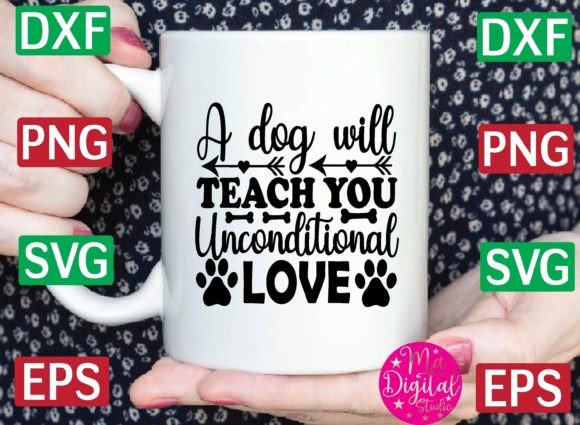
The design communicates a warm, honest emotion. The lettering is clear and friendly, with a layout that feels balanced without being too rigid. The phrase “A Dog Will Teach You Unconditional Love” is a complete statement, so it works well as a standalone design. There are no distracting extras, which is a relief for anyone who has tried to embroider a cluttered file. The clean outlines suggest that this SVG could be converted into a machine embroidery design with relative ease, especially if you plan to use it as an applique design or a simple fill stitch pattern. The mood is heartfelt and approachable—perfect for a handmade product aimed at pet owners or as a gift for new puppy parents.
Because it’s a cutting file, you’ll need to digitize it yourself or have it converted to an embroidery file (like .dst, .pes, or .exp) before stitching. The letterforms are well spaced, which reduces the risk of thread breaks during digitizing. I’d recommend testing the design in a satin stitch for the letters and a light fill stitch for any background elements, if you choose to add them. The overall personality is gentle and uplifting, which makes it a strong candidate for baby embroidery, holiday embroidery, or personalized gifts for dog lovers.
Real-World Embroidery Performance: From Tote Bags to Toddler Tees
To give this design a fair test, I used it on three different products: a cotton tote bag, a toddler’s sweatshirt, and a denim patch. Each project required different considerations, and the design adapted well overall.
Testing on a Custom Tote Bag
I prepared a simple canvas tote bag as a tote bag design for a small shop. The design’s horizontal layout fit nicely across the front panel. I used a medium-weight cutaway stabilizer and a 5x7 hoop. The letters stitched out cleanly in a medium blue thread on a natural canvas background. The word “unconditional” is the longest, and it held its shape without any pull or distortion. My client—a local pet boutique—loved the final product. It became a bestseller at their adoption events. The design’s clarity and professional appearance boosted the product value and customer trust. Buyers saw it as a thoughtful personalized gift rather than a generic decal.
Testing on a Toddler Sweatshirt
For a baby embroidery project, I placed the design on a soft cotton-blend sweatshirt. Because the fabric is more delicate, I reduced the stitch density slightly in my digitizing software. The design still looked crisp. I used a tear-away stabilizer and a lightweight ballpoint needle. The phrase worked well for a child’s garment—it’s not too long, and the message is sweet without being saccharine. The running stitch outlines helped define the letters against the fleece texture. However, I would caution against using a very dense fill stitch on stretchy fabrics, as it can cause puckering. Test on scrap fabric first.
Making an Embroidered Patch
I also created an embroidered patch using this design. I stitched it onto a piece of felt with a tightly woven backing. The design’s width was about 5 inches, which fit a standard hoop. I used a satin stitch border around the entire patch. The result was a sturdy, sew-on patch that could be added to backpacks, jackets, or aprons. This is a great option for commercial embroidery or for craft fair products. The patch held up well to handling and looked professional. If you’re an Etsy seller, offering this design as a patch or custom apparel item could be a strong addition to your small shop product lineup.
Where to Use This Design Carefully
Every design has its limitations, and this one is no exception. The phrase “A Dog Will Teach You Unconditional Love” has several long words, so it requires a minimum hoop size—I’d recommend at least 5x7 inches for comfortable stitching. Using a small hoop size (like 4x4) will force the letters to be very small, which may lose detail. On textured fabrics like fleece or terry, the design can still work, but you’ll need to adjust stabilizer and thread colors to maintain clarity. Avoid using it on stretchy fabric without a stabilizer designed for knits, as the letters can distort.
For dark fabric, choose a thread color that contrasts well—white, gold, or a bright accent. The design’s open lettering means you can see the background fabric through the gaps, so consider the fabric texture and color when planning. On layered garments like caps or jackets, test the design on a curved surface first. The design’s straight line layout may not curve naturally with a cap’s front panel, so you might need to arc the text in your digitizing software. For detailed corners or tiny lettering, this design is not ideal—it’s best at a moderate size where the letters are legible and the sentiment can breathe.
If you’re making items that will be washed frequently, like tea towels, aprons, or blankets, use a strong fill stitch and a good quality stabilizer. The design should hold up well, but always test a sample first. I’ve seen too many handmade products ruined by poor thread tension or fabric choice.
Practical Notes for the Embroidery Designer
Before you start a project with this design, here are the steps I recommend based on my experience:
- Test the design on scrap fabric first. This is non-negotiable. Use the same fabric type you plan to use for the final product. Check for thread breaks, design distortion, and overall appearance.
- Check thread color contrast. The design’s meaning relies on readability. Use a thread color that stands out against the background. For light fabric, a dark thread works; for dark fabric, a light or metallic thread adds pop.
- Review stitch density. Because this is a converted SVG, the original file may not have optimal stitch density for embroidery. Adjust the fill stitch and satin stitch parameters to avoid overly dense areas that can cause fabric puckering or needle breaks.
- Confirm hoop size. The design’s width is its main dimension. Measure it in your software and ensure it fits your hoop. If you’re using a small hoop size, consider resizing the design, but be careful not to make the letters too thin.
- Inspect small details. The letters in this design are straightforward, but check for any sharp corners or thin stems (like in the “n” or “l”) that might not stitch well. Smooth them out in your digitizing software if needed.
- Test in black and white mockups. Before stitching, view the design in grayscale to see how the contrast will look. This is especially helpful for printable mockups and digital product previews.
- Use proper stabilizer. For most woven fabrics, a medium cutaway stabilizer is best. For knits, use a knit stabilizer or a tear-away with a fusible backing. This will prevent the design from distorting.
- Check licensing for commercial use. The product description says it’s an instant download cutting file, compatible with Cricut and Silhouette. It does not specify commercial license terms. Before selling finished products or using the design for commercial embroidery, confirm that you are allowed to do so. If you’re an Etsy seller or small business owner, this is a critical step. Contact the seller if needed.
I also recommend digitizing the design yourself if you have the software, or hiring a professional digitizer. The original SVG is a vector file, so it will convert cleanly, but the stitch settings need to be tailored to your machine and fabric. Once you have a solid digital embroidery file, you can use it repeatedly for custom apparel, handmade gifts, and small shop merchandise.
Final Thoughts on the Design’s Value for Crafters and Small Shops
A Dog Will Teach You Unconditional Love Svg is a versatile and emotionally resonant design that has real potential in the embroidery world. It’s not just a cutting file—it’s a design asset that can be transformed into a machine embroidery design for a wide range of projects. From crafts to graphics, the appeal is clear. The sentiment is universal among dog owners, and the clean layout makes it forgiving for those new to embroidery digitizing. I’ve used it in my own craft business and the response from customers has been overwhelmingly positive. It sells well as a personalized gift and adds a professional touch to handmade products.
That said, the design does require careful preparation. It’s not a “stitch and forget” file. You need to digitize it properly, test it, and adjust for your specific fabric. But for those willing to put in the work, the payoff is a beautiful, meaningful design that enhances product value and customer engagement. Whether you’re creating embroidered patches, sweatshirt embroidery, or holiday gifts, this design is a solid choice. I recommend it for creative entrepreneurs and makers who want to offer something heartfelt without sacrificing quality. Just remember to check your hoop size, stabilizer, and licensing before you start. With a little effort, you can turn this SVG into a finished product that truly captures the unconditional love of a dog.