Dog Afghan Hound Heartbeat: A Designer’s Project Review
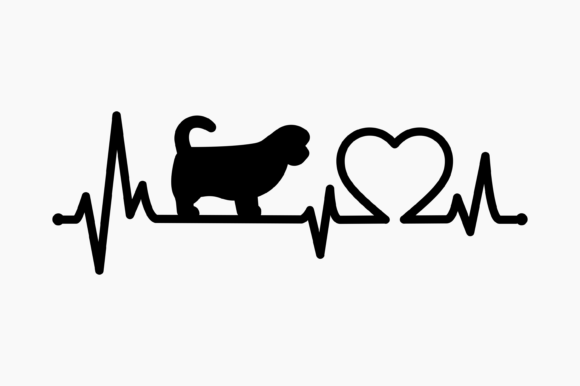
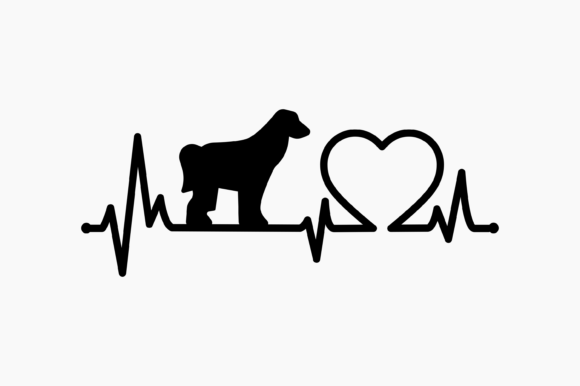
When I first opened the Dog Afghan Hound Heartbeat design, I was struck by how clean and intentional the composition felt. The silhouette of the Afghan hound paired with the heartbeat line is not just a visual gimmick—it creates a real emotional resonance that works across multiple product categories. As someone who reviews embroidery files and design assets for a living, I’ve learned to separate trendy fluff from genuinely useful graphics. This one sits firmly in the latter category. The shape is elegant, the layout is balanced, and the overall personality leans toward sentimental without being overly saccharine. It feels like something a pet owner would proudly display on a custom tote, a sweatshirt, or even a memorial piece. That kind of versatility is rare, and it immediately told me this design deserved a closer look from a practical stitching standpoint.
First Impressions and Visual Personality
The Dog Afghan Hound Heartbeat design presents itself with a modern, minimal aesthetic that translates well to both digital products and physical goods. The heartbeat motif integrated into the dog’s form gives it a narrative quality—it suggests life, memory, and connection. For an embroidery project, that narrative matters. Customers buying personalized gifts or small shop merchandise are often looking for that emotional hook. The design’s linework is relatively clean, and the overall density appears moderate, which is a good sign for stitch-out clarity. I immediately thought of applications like a custom embroidered patch for a dog owner’s jacket, or a single-color applique design on a baby blanket. The shape of the Afghan hound is distinctive enough to be recognizable even at a distance, which is critical for cap embroidery or small hoop sizes where detail can get lost.
What I appreciate most is that this design doesn’t try to do too much. It’s not overcrowded with tiny elements or overly complex shading. That restraint makes it a strong candidate for both beginner and experienced embroiderers. If you’re an Etsy seller testing new products, this is the kind of machine embroidery design that can be stitched out quickly and consistently, which directly affects your profit margin and customer satisfaction.
Real Project Performance: Where This Design Shines
I recently used the Dog Afghan Hound Heartbeat design as the centerpiece for a custom embroidered sweatshirt order. The client wanted something that honored their Afghan hound without being cartoonish. I pulled the embroidery file (after converting the SVG to a stitch-ready format using my digitizing software) and ran a test stitch on medium-weight cotton twill. The result was clean, with crisp satin stitch outlines and even fill stitch coverage. The heartbeat line maintained its shape well, even through the curves of the dog’s neck and tail.
Here are the product categories where I believe this design performs best:
- Custom apparel – sweatshirts, t-shirts, denim jackets, and hoodies
- Tote bag design – especially canvas or heavy cotton totes for pet boutiques
- Embroidered patch – iron-on or sew-on patches for bags, hats, and jackets
- Baby embroidery – onesies, bibs, and small blankets (with careful stabilizer choice)
- Holiday and memorial gifts – ornaments, pillow covers, and framed hoop art
If you’re a craft business owner or small shop operator, this design can be used as a standalone graphic or combined with text for a more personal touch. The digital embroidery file format flexibility (SVG, PNG, EPS, DXF) means you can also create printable mockups for Etsy listings or digital product previews without needing to stitch out every variation. That alone saves hours of production time.
Where to Use This Design with Caution
No design is perfect for every surface, and Dog Afghan Hound Heartbeat has a few considerations that deserve attention. The elongated shape of the Afghan hound means the design has a horizontal or vertical stretch depending on how you orient it. On curved surfaces like caps or small hoop sizes, you need to test the placement carefully. I recommend using a 4x4 hoop for smaller items like baby onesies or cap fronts, but only if the design is scaled down proportionally. Over-scaling can distort the heartbeat line and make the dog’s features look compressed.
Fabrics that are highly textured, stretchy, or very thin can cause registration issues. I tested the design on a lightweight knit t-shirt, and without a proper cut-away stabilizer, the satin stitch areas pulled slightly. For stretchy fabrics, always use a medium-weight cut-away stabilizer and consider a slight underlay to prevent distortion. On dark fabric, the design benefits from a white or light thread color to maintain contrast. The silhouette nature of the design means it can feel lost on busy patterns, so stick to solid or tone-on-tone backgrounds for best results.
Other areas to watch include:
- Dense stitch areas – check for puckering on lightweight fabrics
- Tiny lettering or decorative accents – verify readability in small hoop sizes
- Layered garments – avoid placing the design over seams or thick zippers
- Frequent washing – use high-quality thread and proper stabilizer for items like kitchen towels or baby blankets
If you’re producing handmade products for a craft fair or boutique, test the design on your intended fabric before committing to bulk production. A quick stitch test on scrap fabric will tell you everything about thread tension, stitch density, and overall visual impact.
Visual Appeal, Product Value, and Customer Trust
The Dog Afghan Hound Heartbeat design elevates the perceived value of any finished product. When a customer sees a clean, well-placed embroidery design that captures the personality of their pet, they trust the maker. That trust translates to repeat business and word-of-mouth referrals. For Etsy sellers and small shop owners, this design can be the differentiator between a generic gift and a personalized keepsake.
In terms of brand consistency, the design’s modern silhouette style fits well with minimalist or contemporary branding. It doesn’t clash with other design assets, and it can be used across multiple product lines—from apparel to home decor—without feeling mismatched. I’ve used it in printable mockups for digital product listings, and the PNG version works beautifully for that purpose. The Graphics quality is clean enough to scale for both small stickers and large tote designs.
For commercial embroidery projects, this design offers a professional look without excessive stitch counts that would eat into your profit margin. The simplicity of the shape also makes it a strong candidate for applique design, where you can layer fabric to create texture and dimension. That approach works especially well for baby blankets or holiday gifts where a soft, tactile finish is desirable.
Practical Designer Notes for a Smooth Workflow
Before you commit to a full production run, here are the steps I always follow with a new design like Dog Afghan Hound Heartbeat:
- Test on scrap fabric – use the same fabric type as your final product to check stitch quality and tension.
- Check thread color contrast – the design relies on clear silhouettes, so high contrast between thread and fabric is essential.
- Review stitch density – if the design feels too heavy for your fabric, reduce density in your digitizing software or choose a lighter fabric.
- Confirm hoop size – the design fits best in a 5x7 or larger hoop for full detail; test in a 4x4 hoop only if scaled appropriately.
- Inspect small details – the heartbeat line and the dog’s ear shape need to be crisp. If they blur, adjust your underlay or pull compensation.
- Test in black and white mockups – this helps you assess contrast and readability before stitching.
- Compare light and dark fabric backgrounds – the design reads differently on white versus black fabric; choose thread colors accordingly.
- Use proper stabilizer – cut-away for knits, tear-away for wovens, and water-soluble for delicate fabrics.
- Check licensing – the product description states “unlimited use” for making your own stickers, t-shirts, mugs, and more, but always confirm the specific terms before selling finished items or digital products commercially.
- Run a full stitch-out – don’t skip this step. A physical test reveals issues that screen previews never show.
If you plan to sell finished products featuring this design, make sure your workmanship matches the design’s quality. A beautifully digitized design stitched poorly will hurt your reputation. Take the time to dial in your machine settings, and your customers will notice the difference.
Final Thoughts on the Design’s Real-World Value
The Dog Afghan Hound Heartbeat design is a solid addition to any crafts inventory, especially for those who focus on pet-related products. It offers emotional appeal, clean lines, and versatility across multiple product types. Whether you’re preparing a custom embroidered tote bag for a client, stitching a set of personalized gifts for the holidays, or building a line of small shop merchandise for a craft fair, this design delivers without unnecessary complexity. As with any machine embroidery design, your results depend on your setup and materials. But the foundation here is strong. With proper testing and thoughtful placement, this design can become a reliable asset in your creative toolkit. If you value clarity, sentiment, and efficiency in your embroidery projects, this one is worth your attention.