Dogaholic – A Designer’s First Look Before the First Stitch
When I first opened the Dogaholic design file, I was genuinely curious how it would translate from a digital graphic into something I could hand to a customer and feel proud of. As someone who has tested hundreds of machine embroidery designs for small shops, custom apparel orders, and personal projects, I have learned to spot potential trouble before I even thread the needle. Dogaholic caught my attention because it sits right in that sweet spot between playful and wearable. It does not try too hard. It simply declares a love for dogs in a way that feels honest and easy to wear. That kind of mood is gold for a craft business. It sells without feeling pushy.
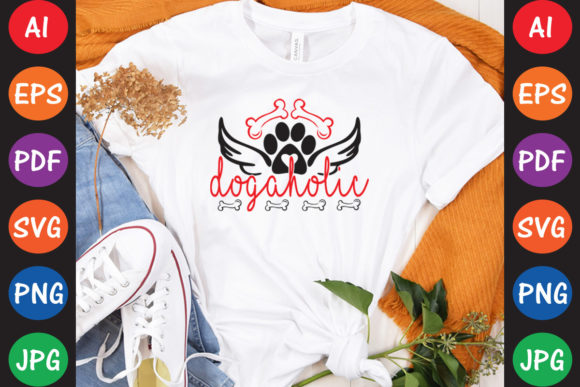
The overall layout is clean and centered, which makes it a natural fit for t-shirt embroidery, sweatshirt fronts, tote bag panels, and even the front of a cap. The lettering and dog silhouette work together without competing. The visual personality is friendly, slightly bold, and very accessible. It does not rely on complicated details or tiny elements that disappear after stitching. That tells me the designer understood how embroidery actually behaves on fabric. I have seen too many digital designs that look great on screen but turn into a mess of thread once they hit a hoop. Dogaholic looks like it was built for real use.
First Impressions That Matter for Real Projects
The mood of this design is pure dog lover energy. It is not overly sentimental or cutesy. It feels more like a badge of belonging. That matters when you are making products for other people. A design that feels too specific or too trendy can limit your sales. Dogaholic strikes a balance. It could work for a personalized gift for a friend who adores their rescue dog, or it could be a bestseller in an Etsy shop that caters to pet owners. The silhouette is recognizable without being detailed to the point of fussy. That is a smart choice for embroidery because stitch density stays manageable, and the design reads well from a few feet away.
The lettering has a sturdy, slightly hand-drawn feel. It is not thin or delicate. That is important for real embroidery application. Thin lettering often needs dense satin stitching to hold its shape, and that can cause registration issues or puckering on stretchy fabrics. Dogaholic uses lettering that can handle a fill stitch or even a running stitch outline without losing legibility. As a designer reviewing this for actual project use, I appreciate that kind of foresight. It tells me the file was created with production in mind, not just screen appeal.
Real Case: Prepping a Custom Embroidered Sweatshirt
Let me walk you through a realistic scenario. A customer asks for a custom sweatshirt with Dogaholic on the front chest. They want it for their sister who just adopted a senior beagle. The sweatshirt is a mid-weight cotton blend in heather gray. Right away, I am thinking about stabilizer choice, hoop size, and thread color contrast. The design needs to sit about four inches wide to fit a standard adult chest area. That is a comfortable size for the level of detail in Dogaholic. The dog silhouette will stitch cleanly in a single color or two colors if the customer wants a contrasting outline.
I would test this on a scrap piece of similar fabric first. I want to see how the fill stitch behaves on the lettering and whether the silhouette needs a border to pop against the gray. A heather fabric can sometimes swallow a design if the thread color is too close to the background. With Dogaholic, a bright white or a deep navy thread would give strong contrast. If the customer wants something softer, a light cream or a charcoal gray could still work because the shape is bold enough to hold its own. That flexibility makes this design a reliable choice for custom apparel orders where customers have strong opinions about color.
After the test, I would hoop the sweatshirt with a tear-away stabilizer and a layer of cut-away for extra stability on the knit fabric. The stitch density looks reasonable enough that I do not anticipate excessive shrinkage or distortion. The finished product would feel substantial without being stiff. That is exactly what you want in a handmade product that someone will wear regularly and wash often.
How Dogaholic Performs Across Different Products
I have mentally run this design through several common product categories, and it holds up well in almost every case. For tote bag embroidery, Dogaholic sits nicely on a cotton or canvas panel. The bold shapes prevent the design from getting lost in the weave. For baby embroidery, it could work on a onesie or a small blanket corner as long as you reduce the size carefully and use a lightweight stabilizer. The design is not overly large, so it can scale down reasonably well, but I would always test it at the target size before stitching the final product.
For embroidered patches, Dogaholic is a strong candidate. The clear silhouette and readable text make it easy to stitch onto a patch blank with a merrowed edge or a laser-cut border. Patches with this design would sell well at craft fairs or in an Etsy shop targeting dog owners. You could offer them as iron-on or sew-on options, and the design would look equally good on a denim jacket, a canvas backpack, or a baseball cap. That kind of versatility is rare in digital embroidery files, and it adds real value for a small business owner who needs to maximize the use of each design asset they purchase.
For cap embroidery, Dogaholic would need to be placed on the front panel or the side. The curved surface of a cap requires careful hooping and a dense enough stitch to hold shape without distortion. The design is not overly wide, so it should fit most cap fronts without running into the seams. I would use a stiff cut-away stabilizer and a lighter thread tension to keep the letters crisp. The silhouette might need a slight size reduction depending on the cap style, but the overall layout is compact enough to adapt.
Where to Use Dogaholic with Care
No design is perfect for every situation, and I always look for edge cases that could cause frustration. With Dogaholic, the main caution is about fabric choice and hoop size. On very thin or stretchy fabrics like lightweight jersey or rib knit, the fill stitches in the lettering could cause puckering if the stabilizer is not aggressive enough. I would recommend using a cut-away stabilizer for any knit fabric and keeping the design size moderate. Tiny versions under two inches wide might lose clarity in the silhouette, especially if the dog shape has fine details that do not scale well.
On dark fabrics, thread color choice becomes critical. A dark gray or black shirt might swallow the silhouette if you use a thread that is too close to the fabric color. Light colors like white, gold, or bright pink would give Dogaholic the contrast it needs. If you are stitching on a dark background, consider adding a simple outline or a drop shadow to keep the design readable. The same goes for busy patterned fabrics. Dogaholic works best on solid or lightly textured backgrounds where the shape can stand out without visual competition.
For products that need frequent washing, like kitchen towels or baby blankets, the stitch density should be tight enough to resist fraying but not so dense that the design feels stiff or heavy. I would test a sample and wash it a few times before offering it as a finished product. With proper stabilizer and thread choice, Dogaholic should hold up well to regular use.
Visual Appeal and Product Value in Real Terms
From a buyer perspective, Dogaholic has strong giftability. It is the kind of design that makes someone smile without being overly sentimental. That matters when you are an Etsy seller or a craft business owner trying to convert browsers into buyers. A design that feels personal but not exclusive has a wider audience. I can see this working for holiday gifts, birthday presents, or just because purchases for dog owners. The handwritten vibe of the lettering adds a handmade feel that customers associate with quality and care.
For brand consistency, Dogaholic fits well into a shop that focuses on pet-related products, casual apparel, or personalized gifts. It does not clash with other popular design styles like vintage, retro, or modern minimal. It has a timeless quality that will not feel outdated next season. That makes it a smart addition to your design assets if you are building a cohesive product line.
The design also works nicely in printable mockups. If you sell digital products or use mockups for your Etsy listings, Dogaholic photographs well because the shapes are clear and the text is readable even at thumbnail size. That gives you an advantage in search results and social media posts where first impressions happen fast.
Practical Embroidery Designer Notes Before You Stitch
Before you commit to a full production run, here are the steps I always take with a new design like Dogaholic. Test it on scrap fabric first. Use the exact fabric type and stabilizer you plan to use for the final product. Check thread color contrast with the fabric. If the design has multiple color stops, confirm that the color changes are logical and do not create unnecessary jumps. Review the stitch density in your embroidery software. If it looks too dense, consider using a larger hoop size or reducing the design slightly to give the stitches more breathing room.
Check the hoop size requirements before you start. Dogaholic should fit comfortably in a standard 4x4 or 5x7 hoop, but always verify with your specific machine and file format. If the design includes small details like eyes or nose on the dog silhouette, make sure those elements are large enough to stitch cleanly. If they are too small, they might become blobs of thread instead of recognizable features. A good rule of thumb is that any detail smaller than 3 millimeters in width may need to be simplified or removed.
Confirm the licensing terms before selling finished items or digital products. The product description says it is best for t-shirt design, mugs, and any other purpose, but you should always verify whether commercial use is allowed and if there are any restrictions on the number of items you can produce. This design comes from the Crafts and Graphics category, so it is likely intended for broad creative use, but do not assume anything. Read the license or contact the seller if you are unsure.
I also recommend testing the design in black and white before stitching. A grayscale printout can reveal contrast issues that are not obvious in full color. If the design looks muddy in grayscale, it probably will not read well on a medium or dark fabric. That simple test has saved me from wasting thread and stabilizer more times than I can count.
Final Thoughts from a Designers Workbench
Dogaholic is a solid, usable embroidery design that does what it promises. It is not trying to be overly complicated or trendy. It is a straightforward, dog-loving graphic that works for real projects. For embroidery designers, small shop owners, and creative entrepreneurs, that reliability is worth more than flashy details that do not stitch well. I would use this design for custom apparel, handmade gifts, boutique merchandise, and digital product previews without hesitation. It is the kind of design that earns its place in your collection because it actually gets used.
The best designs are the ones that make your job easier and your customers happier. Dogaholic fits that description. Whether you are stitching a one-off personalized gift or building a product line for a craft fair, this design gives you a clean, friendly, and professionally viable option. Test it, trust it, and let it work for your business.