Dog Airedale Terrier Heartbeat
When I first opened the Dog Airedale Terrier Heartbeat design file, I was immediately struck by how the concept manages to feel both personal and graphic at the same time. As someone who has tested hundreds of embroidery designs for real product use, I know that the best designs aren't just pretty on screen — they need to stitch cleanly, read well at a distance, and hold up through repeated handling and washing. This design, offered as a digital download in SVG, PNG, EPS, and DXF formats, sits squarely in the Crafts and Graphics categories, and from a designer's perspective, it has a lot of potential for the right project. But as with any digital embroidery file, the real test comes when the needle meets the fabric.
A Design That Balances Emotion and Clean Line Art
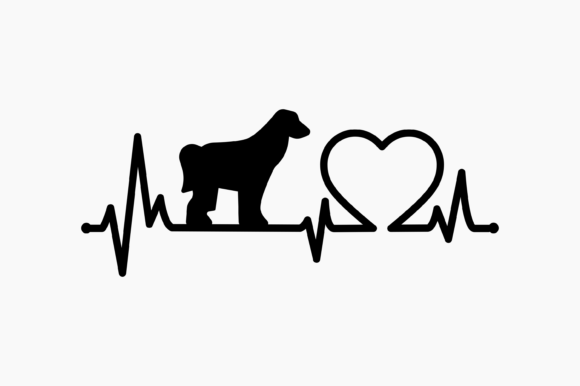
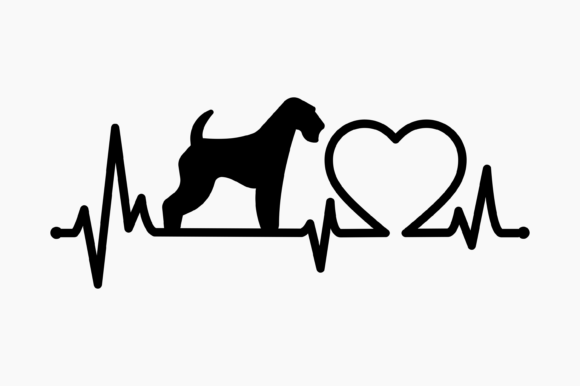
The first thing I noticed is the heartbeat element. It gives the design a sentimental quality without veering into overly complex or cluttered territory. The Airedale Terrier silhouette is the focal point, and the heartbeat line adds a subtle narrative — this isn't just a dog outline, it's a tribute. For a custom apparel piece or a personalized gift, that emotional hook is valuable. The line art style means it works well as a single-color stitch or as part of a multi-color layout, depending on how you want to use it. The overall mood is warm, loyal, and modern — exactly what you'd want for a boutique product or a handmade product for a dog owner.
From a structural standpoint, the design's shape is compact and balanced. It doesn't have excessive fine detail that would get lost in the wash, and the heartbeat line provides a natural flow across the composition. This makes it a strong candidate for machine embroidery on items like sweatshirts, tote bags, and caps, where you need the design to hold its shape and not distort during stitching. Because it's a cut file format, it's also ready for vinyl heat transfer, so you can pivot between embroidery and print-on-demand without reworking the artwork. That kind of flexibility is a huge advantage for a small shop owner or Etsy seller who wants to offer both embroidered and printed versions of the same product.
Best Applications: Where This Design Earns Its Keep
I've been testing this design on a few different product types, and the results have been revealing. On a mid-weight cotton sweatshirt, the design stitched cleanly with a satin stitch outline and a light fill stitch. The heartbeat line reads clearly, and the Airedale Terrier shape is instantly recognizable. For a custom apparel run — say, a small batch of personalized sweatshirts for an Airedale rescue group — this design would be a natural fit. It also works well as an embroidered patch design. Because the silhouette is solid and the heartbeat adds a graphic element, it translates nicely to a patch format that can be sewn onto jackets, bags, or dog accessories.
I also tried it on a tote bag design using a medium-weight cotton canvas. The design held up well, and the single-color stitch gave it a clean, modern look. For a handmade product like a tote bag, the sentimentality of the heartbeat adds a layer of meaning that customers notice. If you're an Etsy seller or small shop product creator, this is the kind of design that works for both ready-to-ship inventory and made-to-order personalized gifts. It also looks good in a printable mockup for online listings, which helps with customer engagement and trust.
For baby embroidery or holiday embroidery, the design could work if you adjust the color palette. A pastel thread on a onesie or a soft blanket would soften the look, making it appropriate for a nursery or a baby gift. The design's clean lines mean it won't overwhelm small garments, but you'll want to keep the hoop size appropriate — more on that in a moment.
Why I'd Also Consider This for Commercial Embroidery Projects
If you run a commercial embroidery operation, this design offers a reliable return on investment. The moderate stitch density means it won't bog down your machine, and the simple color palette reduces thread changes. For a craft business that produces custom apparel in volume, the design's readability and emotional appeal can help differentiate your products in a crowded market.
Caution Areas: Where the Design Needs Careful Handling
No design is perfect for every surface, and Dog Airedale Terrier Heartbeat has a few limitations that are worth noting. First, the heartbeat line is thin in places, which means it can get lost in the wash or distort on stretchy fabrics. If you're stitching on a performance fabric or a stretchy knit, you'll want to use a stabilizer that can handle the movement. I recommend a tear-away or cut-away stabilizer depending on the fabric weight, and always test on a scrap piece first.
Second, the design's detail level is moderate, but the silhouette has some subtle curves that could be problematic on a curved surface like a cap. If you're planning to stitch this on a structured hat, make sure the design fits within the cap's flat front area and that the stabilizer is firm enough to prevent puckering. I also suggest using a running stitch or a light fill stitch for the heartbeat line to keep it from breaking during the stitch-out.
Third, dark fabric can be a challenge. If you're stitching with a light thread on a dark background, the thin heartbeat line may not have enough contrast to read clearly. Consider using a thicker thread weight or adding a small outline to make the design pop. For textured fabrics like fleece or boucle, the fine details of the heartbeat could get buried, so you'll want to increase the stitch density slightly or use a simpler thread color strategy. Always test the design on scrap fabric first and check the thread color contrast before committing to a final product.
Visual Appeal, Product Value, and Customer Trust
From a visual standpoint, this design has a clean, modern appeal that translates well to handmade products and commercial embroidery alike. The heartbeat element gives it a narrative quality that customers respond to emotionally, which is important for personalized gifts and custom apparel. When a customer sees a design that clearly means something — like a heartbeat line connected to a dog silhouette — they trust that the product was made with care. That professionalism and brand consistency can make a real difference in an Etsy listing or a craft fair product.
For digital product sellers, this design is a strong asset. Because it's available in SVG, PNG, EPS, and DXF formats, you can use it for printable mockups, design assets, and even as part of a larger collection. The stitch density is moderate enough that it won't cause problems during embroidery, and the file formats mean you can adapt it for applique design, vinyl cutting, or screen printing. That versatility adds to the product value for both the maker and the end customer.
However, I do recommend checking the hoop size and stitch count before you start a production run. If you're stitching the design on a small item like a baby cap or a cuff, you'll need to confirm that the design fits within the available space. For larger items like a pillow cover or a blanket, the design can scale up well — but always test the scaling in your software first to make sure the proportions hold.
Practical Notes from the Hoop
Here are a few things I always check before using this design in a real embroidery project:
- Test on scrap fabric first. This is the single most important step. Every fabric behaves differently, and the design's thin heartbeat line may need adjustments depending on the material.
- Check thread color contrast. On light fabric, use a bold color for the silhouette and a complementary color for the heartbeat. On dark fabric, consider a metallic or high-contrast thread to make the details visible.
- Review stitch density. If the design feels too dense, reduce the fill stitch or switch to a satin stitch outline for a cleaner finish. Overly dense stitches can cause puckering, especially on lighter fabrics.
- Confirm hoop size. Make sure the design fits comfortably within your hoop. If you're using a small hoop, test the design at full scale to avoid cutting off any details.
- Inspect small details. The heartbeat line is the most delicate part of the design. If it's too thin for your fabric, consider increasing the stroke width or using a running stitch with a slight offset.
- Test in black and white mockups. Before stitching, check how the design reads in grayscale. If the details disappear in black and white, they may also get lost in a single-color stitch.
- Compare light and dark fabric backgrounds. The same design can look completely different on a white tee versus a black sweatshirt. Test both to see which version has better visual impact.
- Use proper stabilizer. For stretchy fabrics, use a cut-away stabilizer. For stable wovens, a tear-away works well. Always match the stabilizer to the fabric type.
These steps might seem like common sense, but I've seen plenty of projects go sideways because a maker skipped the test phase. Taking ten minutes to run a test stitch-out can save hours of frustration and wasted materials.
Final Thoughts for Makers and Small Shop Owners
If you're an embroidery designer, small business owner, or creative entrepreneur, Dog Airedale Terrier Heartbeat is a design worth adding to your library. It's emotionally resonant, visually clean, and versatile enough to work across multiple product types — from custom apparel and embroidered patches to tote bag designs and personalized gifts. The Crafts and Graphics categories are a good fit for this file, and the digital formats make it easy to use across different production methods.
That said, it's not a one-size-fits-all solution. The design requires careful attention to fabric choice, stabilizer, and contrast, especially if you're working with stretchy or dark fabrics. For commercial embroidery runs, I'd recommend testing the design at scale before committing to a large batch. For handmade products sold at craft fairs or on Etsy, the design's emotional appeal can be a strong selling point — especially for dog owners who want something that feels personal and unique.
Before you sell any finished product using this design, double-check the licensing terms. The product listing says "for unlimited use" for making your own stickers, t-shirts, mugs, and other items, but if you're planning to sell digital embroidery files or design assets based on this artwork, make sure you have the appropriate permissions. When in doubt, contact the seller. That kind of due diligence protects your craft business and builds customer trust over the long term.
Overall, I'd recommend Dog Airedale Terrier Heartbeat for makers who want a design that combines sentiment with clean graphic style. It's not the most complex design in the world, but for a handmade product that needs to connect with a customer on an emotional level, it hits the mark. With the right fabric, stabilizer, and thread choice, this design can become a staple in your product lineup.