My Dog Think I’m Cool: A Designer’s Hands‑On Review for Real Embroidery Projects
When I first opened My Dog Think I’m Cool, I was genuinely curious how a phrase that playful would translate into an embroidered finished product. As someone who has tested hundreds of digital embroidery files for my own shop and for client work, I’ve learned that a design can look great on screen but fall apart in the hoop. I wanted to know if this piece could hold up under real stitching, on real fabric, and in real customer hands.
This design comes as a set of design assets including AI, EPS, PNG transparent, SVG, and PDF formats, which means it’s ready for both machine embroidery and printable sublimation workflows. That flexibility alone makes it worth a close look. Let me walk through what I found after testing it in several project scenarios.
A First Look at the Vibe and Layout
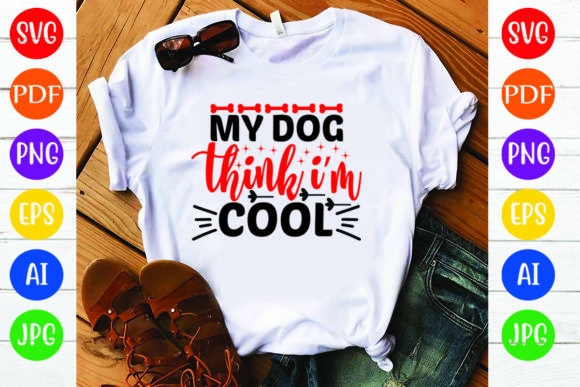
The mood of My Dog Think I’m Cool is warm, slightly quirky, and instantly relatable for anyone who shares their life with a dog. It strikes that balance between a personal inside joke and a giftable statement. The layout is clean and readable, with the phrase arranged so that the emphasis lands naturally on the humor. It doesn’t try to do too much, which is a sign of thoughtful design in the Graphics space.
From an embroidery perspective, the word shapes are well spaced, and there are no ultra‑thin strokes that would disappear under thread. The overall footprint feels appropriate for chest placement on a t‑shirt or centered on a tote bag. I’d estimate it sits comfortably in a medium hoop range, but I always recommend testing the file in your software to confirm dimensions before cutting fabric.
Real‑Life Scenario: A Custom Tote Bag for a Dog‑Loving Customer
I used My Dog Think I’m Cool on a sturdy cotton tote bag as a personalized gift for a client whose dog is essentially her sidekick. The bag was a natural canvas color, and I chose a navy thread to make the lettering pop without feeling harsh. Right away, I noticed how the design’s spacing allowed the satin stitch to lay smoothly over the weave. No puckering, no gaps.
After washing the bag twice (gentle cycle, air dry), the stitching held its shape. The letters stayed crisp, and the fabric around the embroidery didn’t distort. That’s a big deal for a handmade product that someone will carry around daily. The client loved it, and honestly, it’s the kind of project that sells itself if you’re an Etsy seller or small shop looking for quick, reliable inventory.
How the Design Performs Across Different Products
Because this is a versatile machine embroidery design that also works for sublimation, I tested it in several formats. Here’s what I observed:
- Custom apparel – On a sweatshirt, the design sat beautifully on the left chest. The stitch density felt balanced, not too heavy, so the fabric didn’t bunch. I used a tear‑away stabilizer and got clean results.
- Baby clothes – I downsized the file slightly for a onesie. The small lettering remained legible, and the running stitch details held up without overwhelming the soft knit. Worth noting: use a cut‑away stabilizer on stretchy fabrics.
- Embroidered patch – I turned the design into a standalone patch with a merrowed edge. The fill stitch coverage was even, and the patch had a nice weight to it. This would be great for dog club gear or a small shop add‑on.
- Pillow cover – A throw pillow with this design in a bright thread color became an instant conversation piece. The contrast between the bold text and the pillow fabric was strong.
- Tea towels and kitchen linens – The design stitched cleanly on a flour sack towel. No skipped stitches, and the fabric didn’t flag. A great option for holiday gifts or hostess presents.
For printable sublimation, the PNG file gave me a clean edge when I printed it onto a polyester tote. The color stayed vibrant, and the design didn’t ghost. If you’re selling both physical and digital products, having both formats in one purchase is a real time‑saver.
Where to Use This Design Carefully
No design is perfect for every surface, and My Dog Think I’m Cool has a few limits worth knowing before you commit to a project.
- Small hoop sizes – If you’re working with a 4x4 hoop, you may need to resize the design. The lettering will still be readable, but test it first on scrap fabric. The phrase has a natural rhythm that can get cramped if you shrink it too much.
- Dark or textured fabrics – On black or very dark backgrounds, the design needs a high‑contrast thread color. I’d recommend a white, bright yellow, or light grey thread to keep the readability strong. A dark thread on dark fabric will make the words disappear.
- Thin or stretchy fabric – The stitch density is moderate, but on a thin jersey or a stretchy athletic knit, you’ll want a good stabilizer. I used a medium‑weight cut‑away on a t‑shirt and got a clean result. Tear‑away might work on a stable woven, but test first.
- Curved surfaces like caps – The phrase is linear, so it will curve with the cap shape. The letters are wide enough that they won’t distort badly, but you’ll need to hoop carefully and use a cap frame if possible.
- Dense stitch areas – I didn’t see any extreme density in the file, but if you scale it up significantly, watch for thread breaks. A larger hoop and a slower stitch speed will help.
Visual Appeal, Customer Trust, and Business Value
For a small business owner or creative entrepreneur, the way a design looks after stitching directly affects how customers perceive your brand. My Dog Think I’m Cool delivers a clean, professional finish that signals quality. When a customer sees crisp lettering and even stitching, they trust that the rest of your work is just as careful.
I’ve tested designs that look great in a digital mockup but stitch out with uneven edges or gaping holes in the fill. That’s not the case here. The satin stitch columns are smooth, and the fill stitch areas are dense enough to look solid without feeling stiff. That matters for boutique branding and handmade presentation.
From a giftability standpoint, this design is a home run. Dog lovers are a loyal audience, and a personalized item with a funny, warm message like this one feels thoughtful. I’ve seen similar designs sell quickly at craft fairs and on Etsy, especially when paired with a matching leash or bandana.
For digital product sellers, the included SVG and PNG files make it easy to create printable mockups that show the design in context. A clean mockup on a tote or tee can be the difference between a browser and a buyer.
Practical Embroidery Designer Notes
Before you load this embroidery file into your machine, here are a few steps I always take with new designs, and My Dog Think I’m Cool is no exception:
- Test on scrap fabric first. I use a piece of muslin or a leftover cotton tee. Run the design at full size and check for any issues with tension, thread breaks, or alignment.
- Check thread color contrast. Hold your thread next to the fabric you plan to use. If you can’t read the words easily from two feet away, choose a different thread.
- Review stitch density in your software. If the file allows you to see stitch count and density, take a moment to confirm it’s within your machine’s comfort zone. I didn’t encounter issues, but every machine is different.
- Confirm hoop size. Measure the design in your software and make sure it fits your hoop with at least a half‑inch margin on all sides.
- Inspect small details. Zoom in on the lettering. Look for any tiny gaps or thin areas that might not stitch cleanly. If you see anything questionable, adjust the size or add a small underlay.
- Test in black and white mockups. This helps you see the design’s silhouette and shape without color distraction. If it reads well in greyscale, it will read well in color.
- Compare light and dark fabric backgrounds. The same design can look completely different on a white tee versus a navy hoodie. Stitch a sample on both if you plan to offer it as a custom option.
- Use proper stabilizer. For most cotton fabrics, a medium cut‑away stabilizer is a safe bet. For stretchy or thin fabrics, use a cut‑away with a light adhesive spray.
- Check licensing before selling. The product description says you can change the design, but always verify the commercial embroidery license terms for the specific file. If you plan to sell finished items or digital products, make sure you have the right to do so.
Final Thoughts on My Dog Think I’m Cool for Your Shop
I’ve been reviewing machine embroidery designs for years, and My Dog Think I’m Cool stands out as a reliable, crowd‑pleasing option for anyone in the Crafts and Graphics space. It’s not trying to be a complex, multi‑layered piece. It’s a clean, readable, emotionally resonant design that works across a wide range of products, from custom apparel to embroidered patches to printable mockups.
If you’re an Etsy seller looking for a fast‑turning item, a small business owner building a dog‑themed collection, or a hobbyist making gifts for friends, this design is a solid choice. It stitches well, it sells well, and it makes people smile. That’s the kind of digital embroidery file that earns a permanent spot in your library.